If you’re searching for an EV second hand car, 2025 is a great year to buy: depreciation has softened prices, battery tech is better understood, and there are lots of well-reviewed used models on the market. This guide lists the top 10 second-hand electric cars to consider in 2025, with quick specs, typical used price ranges (where available), and what to check before you sign the paperwork.
Why buy an EV second hand car in 2025?
Used EVs offer major savings versus new models while still delivering low running costs, instant torque, and quieter driving. Early concerns about battery longevity and charging networks have been eased by better battery management systems, clearer service histories, and expanding public DC fast-charging. Nonetheless, buying a used EV requires attention to battery health, charging hardware, and software updates.
How I picked these top 10 used EVs
Selections are based on real-world popularity, availability on the used market, reliability records, range (or practical range), and value for money. For each model below you’ll find an overview, common battery / range figures, and sample used prices pulled from current market listings and trusted reviews.
1. Tesla Model 3 — Best blend of range & resale demand
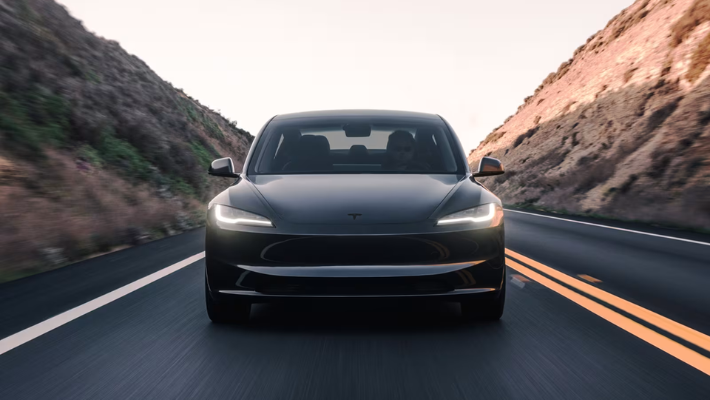
- Price (typical EU 2019–2022): €22,000–€38,000
- Battery: 50–82 kWh (varies by SR+, LR, Performance)
- Real-world range: 250–450 km depending on model
- Consumption: 14–17 kWh/100 km
Why it stands out
The Model 3 remains one of the most in-demand used EVs thanks to its long range, access to the Supercharger network, and consistently strong resale value. Even older LR variants often outperform newer mass-market EVs in range.
Important checks
- Supercharger access & charging standard (CCS/NACS depending on region)
- Battery degradation report
- Autopilot / FSD transferability (varies by seller & policy)
- Heat pump presence (2021+)
- Software / firmware version
2. Nissan Leaf — The budget EV classic
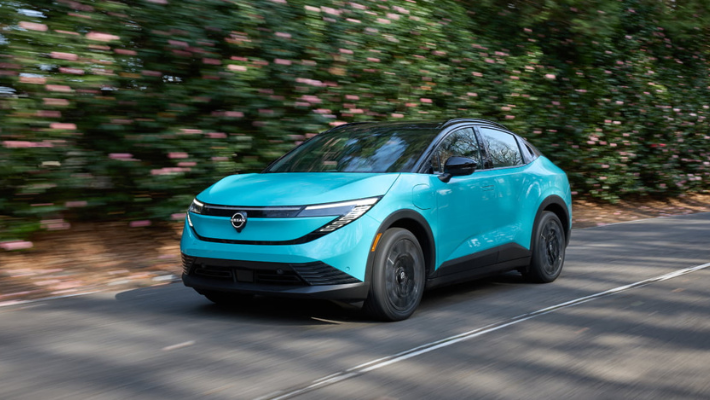
- Price (EU): €6,000–€18,000
- Battery: 24 / 30 / 40 / 62 kWh
- Real-world range:
- Older (24–30 kWh): 80–140 km
- Leaf 40 kWh: ~170–200 km
- Leaf e+ (62 kWh): ~230–300 km
- Consumption: 15–20 kWh/100 km
Why it stands out
One of the longest-running EVs in the world. Cheap to buy used, extremely reliable, and perfect for city or short-range driving.
Important checks
- Battery health (Leaf uses air cooling → more degradation in hot climates)
- Whether battery was leased (common in France/UK)
- CHAdeMO fast-charging support availability in your area
- Real-world range test on the day of purchase
3. Hyundai Kona Electric — Long range at a great price
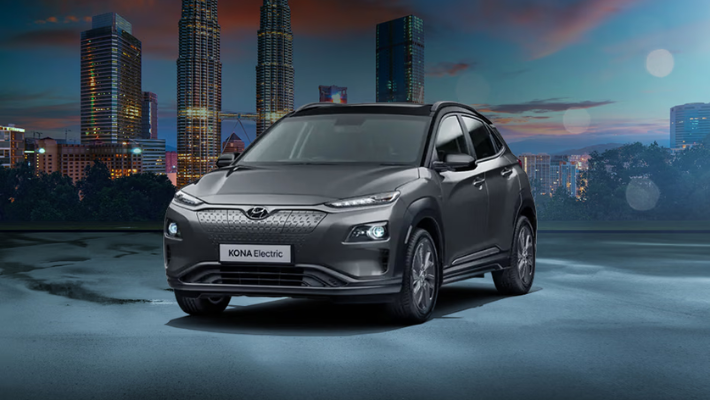
- Price (EU): €16,000–€28,000
- Battery: 39 kWh or 64 kWh
- Real-world range:
- 39 kWh: ~210–240 km
- 64 kWh: ~350–430 km
- Consumption: 13–16 kWh/100 km (one of the most efficient EVs)
Why it stands out
A small SUV with exceptional efficiency. The 64 kWh version often rivals premium EVs for range.
Important checks
- Battery warranty transfer (Hyundai offers long warranties → valuable)
- Recall history (especially early software-related battery recalls)
- DC charging speed test (should reach ~70 kW peaks)
4. Kia Niro EV — Efficient, practical, family-friendly
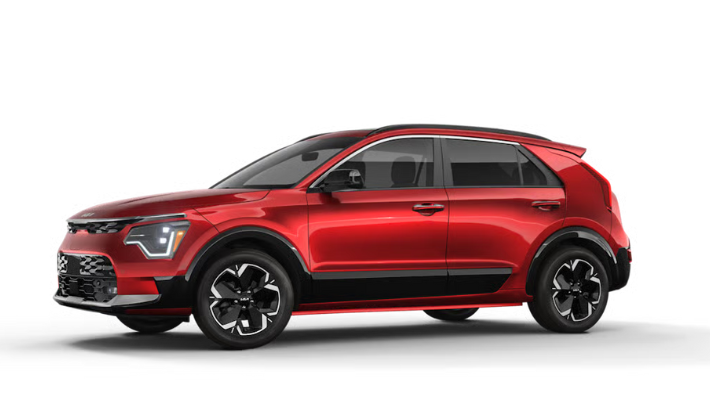
- Price (EU): €17,000–€30,000
- Battery: 64 kWh
- Real-world range: 320–400 km
- Consumption: 14–16 kWh/100 km
Why it stands out
A very balanced EV: practical, comfortable, efficient, and reliable. Spacious for families and very popular in the used market.
Important checks
- CCS vs NACS region compatibility
- Battery health & warranty
- Infotainment/software updates
Check for irregular DC fast-charging behaviour
5. Chevrolet Bolt EV / EUV — Compact but spacious
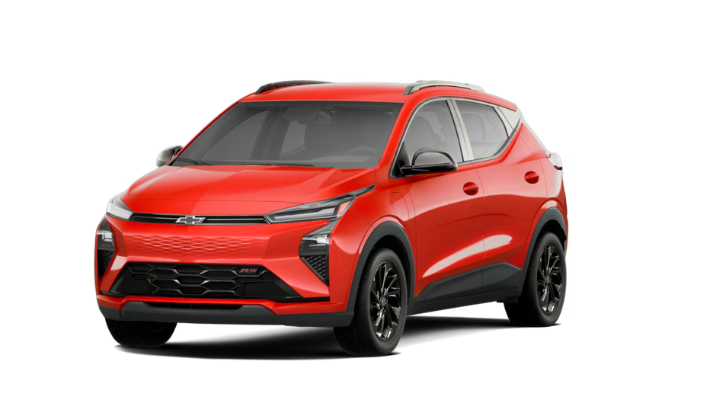
- Price (US): $13,000–$25,000
- Battery: 60–65 kWh
- Real-world range: 330–400 km
- Consumption: 14–16 kWh/100 km
Why it stands out
One of the most efficient non-Tesla EVs ever made, offering long range and surprising interior space.
Important checks
- Confirm recall battery replacement (many 2017–2021 cars received brand-new packs → huge value)
- DC charging speed test (Bolt is slow at 50–55 kW)
- Battery thermal history
6. MG ZS EV High value in India, UK, and EU
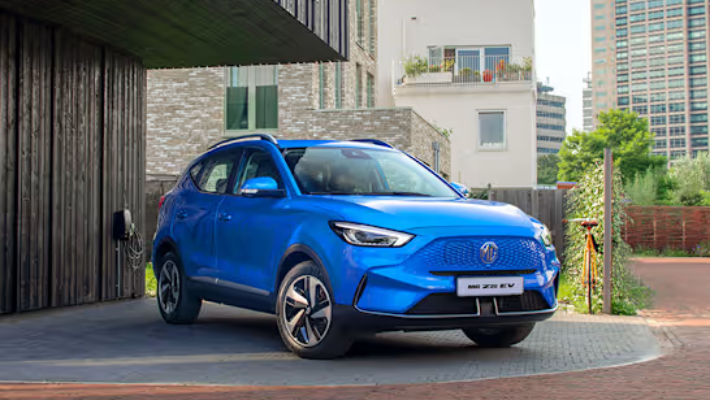
Price:
- EU: €18,000–€26,000
- India (used): ₹9.6–22 lakh
- Battery: 44.5 kWh or 50.3 kWh
- Real-world range: 230–300 km
- Consumption: 16–19 kWh/100 km
Why it stands out
A budget-friendly compact SUV with good features, solid range, and decent reliability.
What to check
- Battery warranty transfer limits
- Dealer support for software updates
- AC charging speed (some early models slower)
- DC fast charging consistency
7. Volkswagen ID.3 — Modern, efficient European hatchback
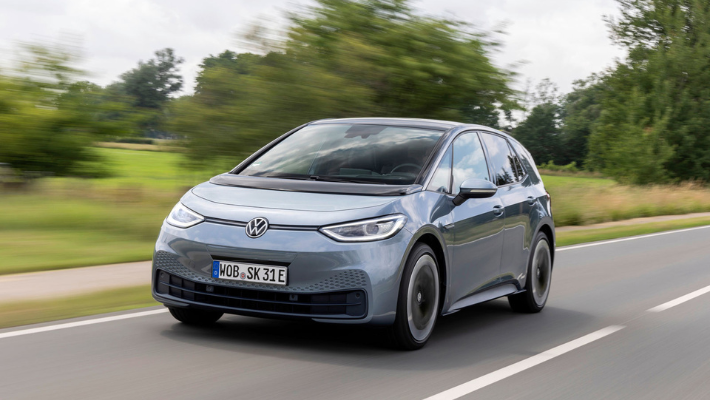
- Price (EU): €16,000–€28,000
- Battery: 45 / 58 / 77 kWh
- Real-world range:
- 45 kWh: 230–300 km
- 58 kWh: 320–390 km
- 77 kWh: 420–520 km
- Consumption: 14–17 kWh/100 km
Why it stands out
A clean-sheet EV design from VW with efficient batteries, good comfort, and a large used-car supply.
What to check
- Software version (early models had issues)
- Battery health on fast charging
- Accurate charging curve for each battery size
- Interior wear early models show wear faster
8. Renault Zoe — The used EV market leader (Europe)
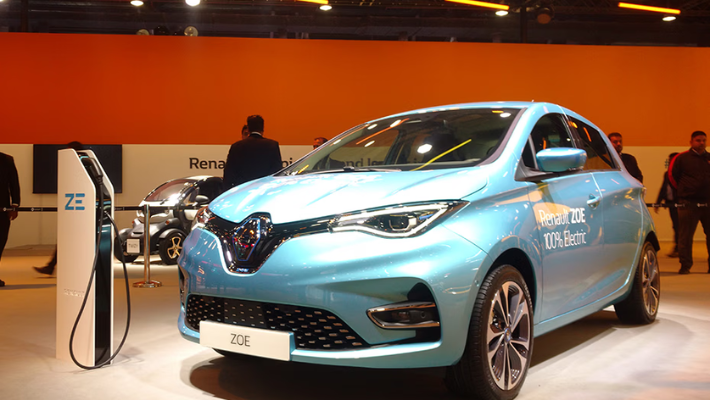
- Price (EU): €5,000–€18,000
- Battery: 41 or 52 kWh
- Real-world range: 280–350 km
- Consumption: 15–17 kWh/100 km
Why it stands out
Reliable, efficient, and incredibly common in Europe. A perfect urban EV with excellent AC charging.
What to check
- Battery lease contract vs ownership
- Whether the model supports 50 kW DC fast charging
- AC charging test (many Zoes charge at 22 kW AC)
- Condition of charging cables
9. BYD Atto 3 (Yuan Plus) — Strong range & growing resale demand
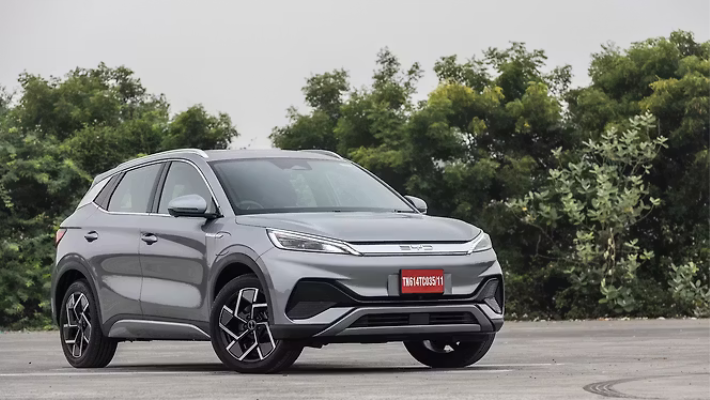
Price:
- India: ₹20–30 lakh
- Europe/International: €25,000–€32,000
- Battery: 49.9 or 60.5 kWh (LFP Blade Battery)
- Real-world range: 320–420 km
- Consumption: 15–17 kWh/100 km
Why it stands out
Safe, high-quality LFP battery, modern interior, and increasingly popular on used markets worldwide.
What to check
- Warranty transfer policy
- Cold-weather range (LFP drops in winter)
- Infotainment software update history
- Check adaptive cruise & ADAS calibration
10. BMW i3 — Lightweight, quirky, and great for cities
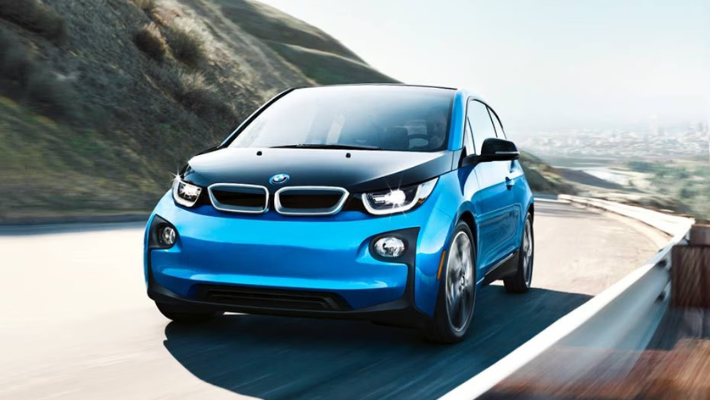
- Price (EU): €10,000–€22,000
- Battery: 22 / 33 / 42 kWh
- Real-world range:
- 22 kWh: 100–130 km
- 33 kWh: 150–180 km
- 42 kWh: 200–240 km
Consumption: 13–16 kWh/100 km
Why it stands out
Carbon-fibre body, low weight, and unique handling. Very efficient and excellent for urban driving.
What to check
- REx (Range Extender) engine condition
- High repair cost of carbon shell
- Tire condition (uses narrow, specific-size tires)
- AC vs DC charging capability depending on model year
Final checklist before buying any EV second hand car
- Battery health & warranty — Ask for battery capacity records, charging history, and whether the original warranty transfers.
- Service & software history — Confirm dealer updates and recall repairs are complete.
- Charging hardware — Confirm onboard charger specs and connector type (CCS, Type 2, NACS in newer US cars).
- Real-world range test — Drive an equivalent trip yourself to validate expected range.
- Independent inspection — Get a mechanic experienced with EVs to inspect the car and battery.
- Paperwork — Verify clean title, software access transfer (Tesla account/other OEM accounts), and any incentives that might apply to used EVs in your region.
Final Thoughts
An EV second hand car in 2025 can give you most of the benefits of EV ownership (low running costs, instant torque, lower maintenance) at a fraction of new-car cost provided you do proper checks. Prioritize battery history and service records, and pick a model with good local dealer support. The ten models above represent a solid starting point whether you want range, value, or city efficiency